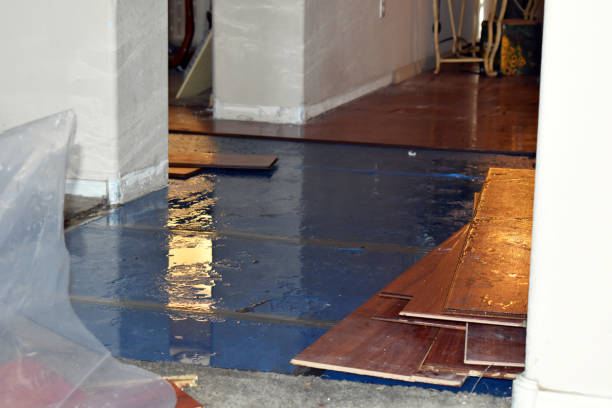
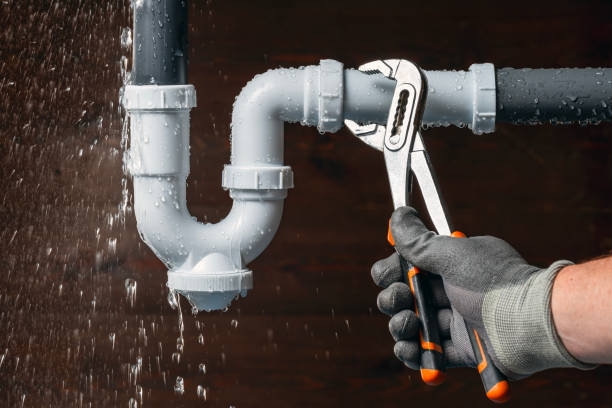
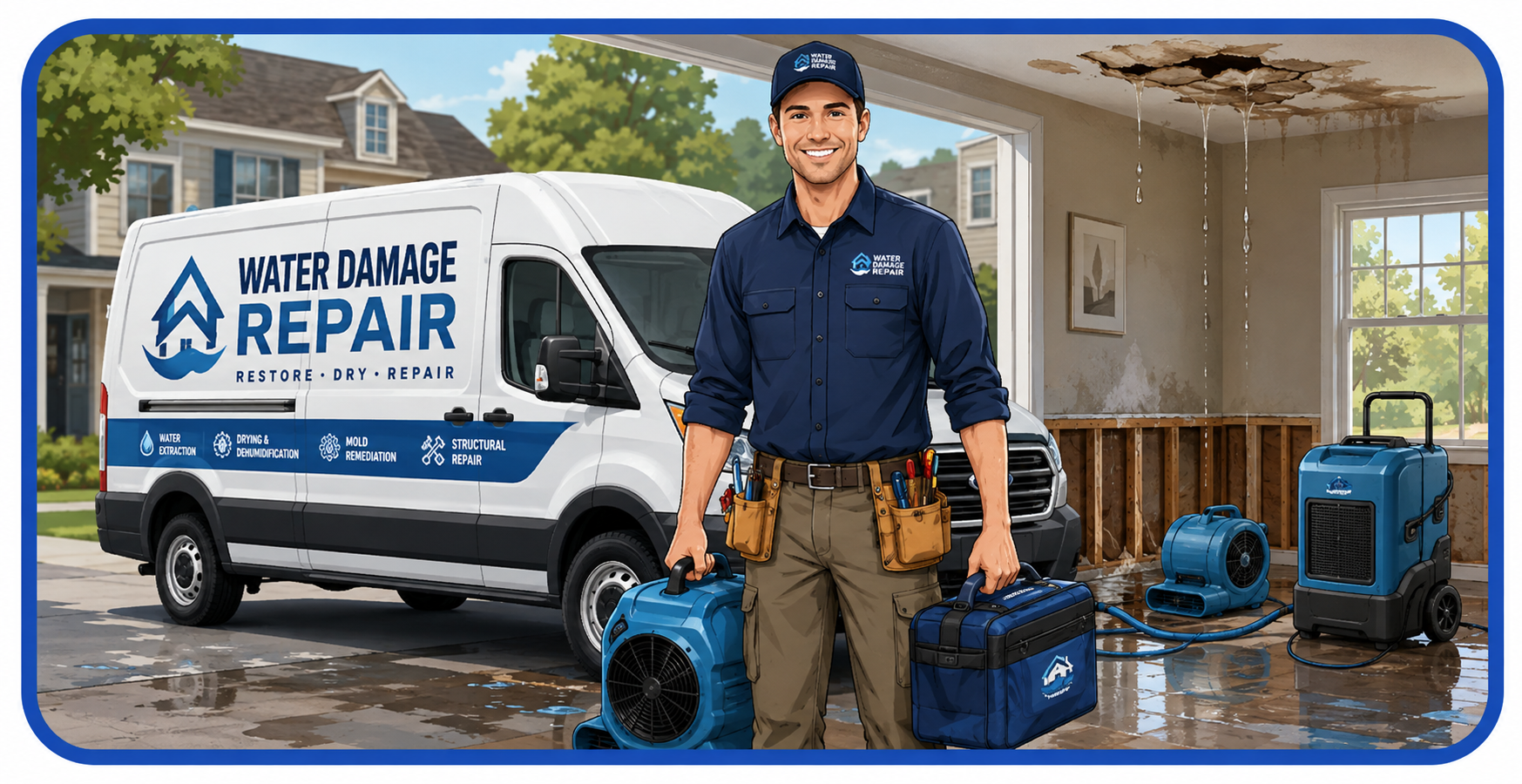
A washing machine hose lets go at 2am and suddenly your Post laundry room is underwater — that's the exact moment our dispatch line is built for, with a technician routed before you've finished mopping the first puddle.
Call +1-844-578-1604
Avg. arrival under 60 minutes in Post
Flat-rate quote before any equipment runs
IICRC-certified technicians on every truck

We run our Post operation on IICRC-certified technicians and commercial-grade equipment, not a subcontractor list we pull from when the phone rings.
Our Post dispatch desk is staffed around the clock by people, not an automated queue, which matters most at exactly the hour you're calling.
We also keep documentation formatted the way insurance adjusters actually want to see it, since most of our jobs end up crossing an adjuster's desk at some point.
Water damage rarely starts as a dramatic flood — it usually starts small, and these are the signs worth acting on before the damage spreads further.
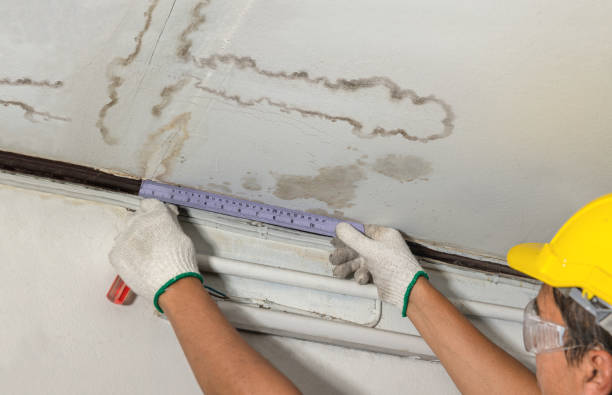
Fresh paint over an old stain can hide the problem visually for a month or two, right up until the drywall paper backing gives out.
A musty note that wasn't there a season ago usually means microbial growth has started somewhere behind a wall or under flooring, well before you can see anything.
A hollow sound from tile that used to sound solid usually means the mortar bed lost adhesion from sustained moisture underneath.
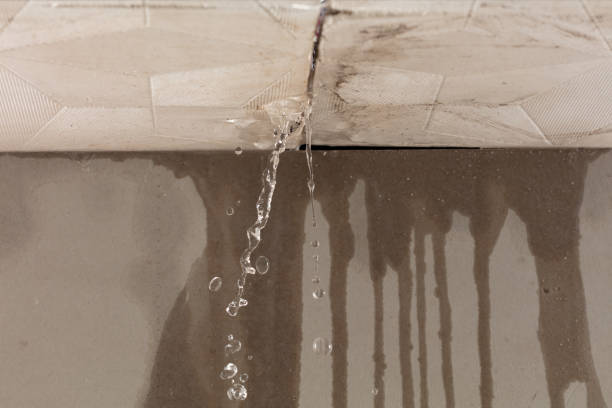
The sound of running water when every fixture in the house is off is one of the more reliable early warnings of a hidden leak.
Bubbling near a window frame frequently traces back to a failed seal letting water in gradually.
Mold that returns after a bleach cleaning is a sign the moisture source behind it was never actually addressed.
If more than one of these sounds familiar, it's worth a professional moisture check sooner rather than later.
Treating Emergency Water Damage as a single continuous job, rather than a series of handoffs, is what keeps timelines shorter and documentation consistent.
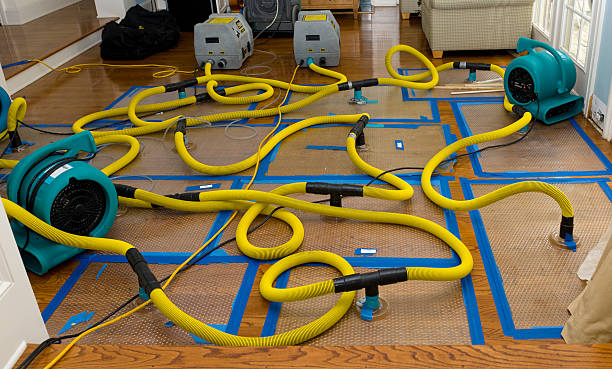
The equipment on our trucks scales up or down to the job, but the process — assess, extract, dry, verify, repair — doesn't change.
Moisture meters classify the water as Category 1, 2, or 3 on arrival, which determines whether it's a straightforward extraction or a full contamination protocol.
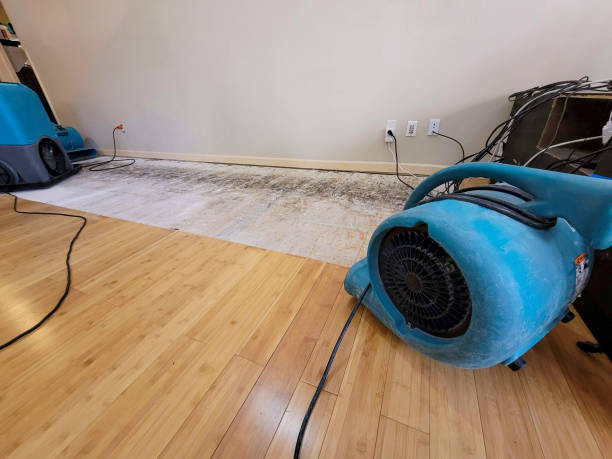
We don't call a structure dry based on a visual check — the moisture meter has the final say before equipment comes down.
Blackwater intrusions call for full PPE, controlled removal of porous materials that can't be sanitized, and hospital-grade disinfection before any reconstruction starts.
We treat the 48-hour mold window as a deadline for our own drying timeline, not a talking point.
Reconstruction starts from the actual drying documentation, not a fresh guess, which keeps the repair scope accurate.
Furniture, electronics, and documents get assessed on-site, with salvageable items cleaned and stored while the space dries.


Four steps, no guesswork — here's exactly what happens between your call and a verified-dry structure.
Dispatch gathers just enough detail to load the right equipment before the truck leaves the lot.
Skipping or rushing this step is how hidden moisture pockets turn into a mold problem months down the line.
Extraction and drying run as one continuous process rather than two separate scheduled visits.
Every affected area gets re-tested before we call the job complete — no shortcuts on the sign-off.
We built the checklist below around the actual complaints people have about restoration companies in general, then made sure Aqua Guard Water Damage doesn't repeat them.
Licensing and insurance aren't paperwork we keep in a drawer; they're what let us stand behind the work if something doesn't go as planned.
Regionally staged trucks mean a crew often arrives before a national chain's call center finishes the intake questionnaire.
You get a written estimate before equipment turns on, not a surprise invoice after the fact.
If a drying target isn't hit on schedule, equipment stays on-site at no extra charge until the readings confirm it's dry.
If our readings don't hit a safe drying standard on schedule, equipment stays running at our cost until they do — that's the bar we hold ourselves to.
This isn't marketing copy — it's the actual checklist our crews sign off against before a job is marked complete.
Call +1-844-578-1604Our Post service radius covers 97752, with trucks positioned to reach any address quickly, not just the neighborhoods closest to a single office.
We track call patterns by zip code across Post to keep crew staffing matched to where emergencies actually happen.

"What stood out was how calm the technician stayed while explaining a genuinely stressful situation — that mattered more than I expected."
Renee A., Post"The daily moisture log gave me something concrete to look at instead of just being told to trust the process."
Owen D., Post"Professional from the first call to the final walkthrough, and they re-tested moisture before closing the job instead of eyeballing it."
Fatima J., Post"The reconstruction crew matched our original flooring almost exactly after the repair — you'd never guess there was ever a leak."
Lucas P., Post"Getting a daily drying log meant we always knew where the job stood instead of a vague verbal update."
Grace T., Post"Working a commercial job around our business hours could have been a scheduling nightmare, but they made it simple."
Nathaniel W., Post"The technician explained exactly which boards needed to go and which tested dry enough to keep, so we didn't overpay for the repair."
Bianca H., Post"They explained the crawl space drainage issue in plain terms instead of technical jargon, and fixed it on the spot rather than scheduling a separate trip."
Derek S., Post"Our upstairs bathroom leaked into the kitchen ceiling below and the crew traced it back to a failed wax ring on the toilet, not just patched the visible ceiling stain."
Melissa C., Post"Being out of town when it happened was stressful enough — having a crew that could work directly with our property manager made it manageable."
Victor N., Post